
Shreveport Maritime Lawyer
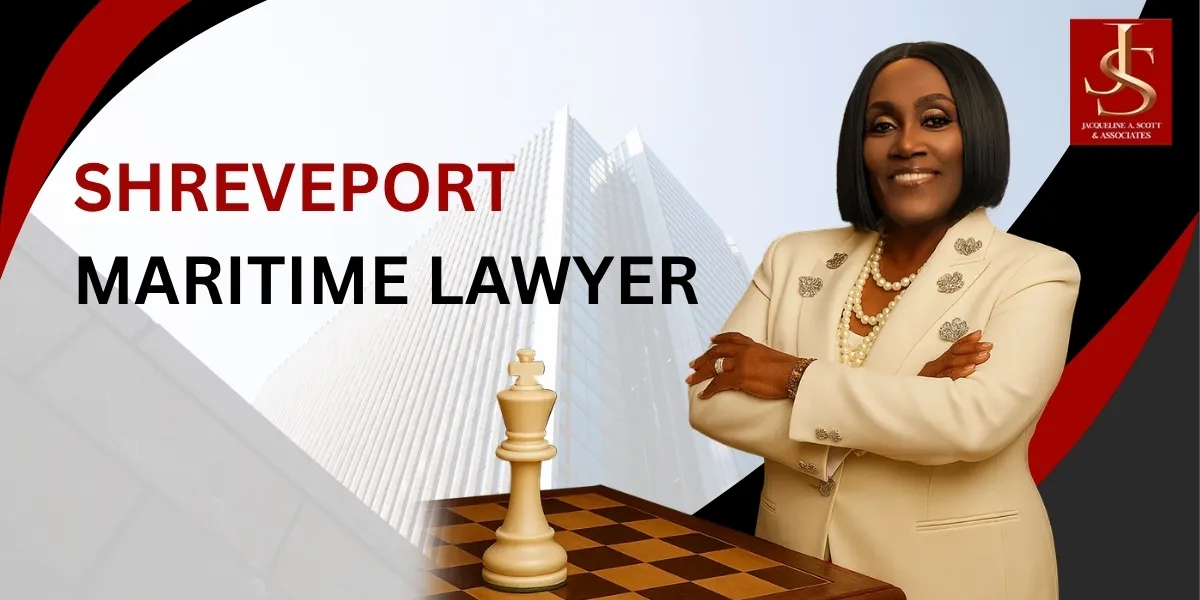
Trusted Maritime Attorney in Shreveport, LA
Maritime workers are a critical part of the local economy, helping to import and export supplies and raw materials. The nature of their work can be highly dangerous, and many workers are injured every year and suffer unexpected financial hardships. If you were injured in a maritime incident, you can rely on a trusted Shreveport maritime lawyer to help you understand your options. Legal support can play a crucial role during the injury claims process.
Dedicated Legal Support for Maritime Injury Claims in Shreveport
Whether you are recovering in Broadmoor, Highland, South Highlands, or elsewhere in Shreveport, the quality and experience of your legal representation matters. At Jacqueline A. Scott & Associates, we provide focused legal representation to people facing serious injuries and other losses.
Our founding attorney brings more than 35 years of experience to these types of cases, and she is an unwavering advocate for the rights and interests of the clients she serves. Maritime cases can be highly complex, involving different rules, responsible parties, and insurance considerations than incidents that occur entirely on land.
Contact The Law Offices Of
Jacqueline A.
Scott & Associates
We develop creative, effective solutions to the legal problems our clients face.
Call Us Today
How Maritime Law Applies in Shreveport
Shreveport may be hundreds of miles from Louisiana’s Gulf Coast, but maritime activity remains part of the region’s economy. The Port of Caddo-Bossier sits at the head of navigation on the Red River Waterway, about four miles south of Shreveport.
The Red River provides a navigable connection to the Mississippi River and ultimately the Gulf of Mexico. The Port includes cargo docks, warehouses, cranes, rail connections, and facilities used to move goods between vessels and land transportation.
The nature of maritime work can lead to serious and potentially life-altering injuries. According to the U.S. Bureau of Labor Statistics, three water transportation workers suffered fatal occupational injuries in Louisiana in 2024.
Maritime law generally concerns activities, injuries, transactions, and disputes with a connection to vessels, navigation, or commerce on navigable waters. Maritime injury laws can involve vessel workers, passengers, vessel owners, shipping companies, cargo owners, and businesses that rely on waterborne transportation.
Determining whether maritime rules apply is not always straightforward. Where an accident occurred and other factors can all become important considerations. Similar factors may also matter in cases involving a car accident, truck accident, motorcycle accident, workplace accident, construction injury, catastrophic work injury, or slip and fall.
Types of Maritime Cases We Handle
As of August 2026, there were roughly 5,000 individuals employed in shipbuilding, and maritime cases are not limited to workers injured at sea. They can arise from commercial shipping operations, passenger vessels, recreational boating, damaged cargo, vessel collisions, and pollution incidents.
At Jacqueline A. Scott & Associates, we can evaluate maritime cases involving:
- Injuries suffered by maritime workers
- Commercial vessel and barge accidents
- Passenger and cruise ship injuries
- Recreational boating accidents
- Vessel collisions
- Unsafe vessel conditions
- Defective or poorly maintained equipment
- Cargo damage and shipping disputes
The circumstances surrounding each maritime case can vary significantly. Some may primarily involve personal injuries, while others can involve damaged property, commercial losses, environmental harm, or several types of damages arising from the same event.
Common Causes of Maritime Injuries and Disputes
Working or traveling on the water presents hazards that differ from those encountered on land. Moving vessels, wet surfaces, heavy machinery, changing weather conditions, and large cargo loads can contribute to serious accidents when proper precautions are not taken.
Maritime injuries may result from falls on slippery decks, defective equipment, inadequate maintenance, collisions, fires, explosions, falling cargo, inadequate training, or errors by vessel operators and crew members. Workers may also be hurt while loading or unloading vessels or transferring cargo between ships, docks, trucks, and rail systems.
Passenger injuries can occur when vessel operators fail to address unsafe conditions or properly manage their vessels. Workers and passengers who suffer serious bodily harm may be transported to Willis Knighton North for treatment and ongoing care.
Maritime Cargo Disputes and Property Damage
Commercial shipping involves a wide range of activities that extend far more than moving a product from one location to another. Cargo must be properly loaded, secured, stored, transported, unloaded, and delivered. An error at any point can damage valuable goods or create dangerous conditions for workers and others. Depending on the circumstances, related legal issues may include product liability, defective drugs, and defective medical devices.
The Port of Caddo-Bossier, for example, has a general cargo dock, cargo-storage facilities, cranes, rail access, and areas used for transloading goods. Those features allow cargo to move toward the Mississippi River and Gulf of Mexico.
Cargo disputes may involve:
- Damaged goods
- Lost shipments
- Improper storage
- Loading errors
- Inadequate securing of cargo
- Delivery problems
- Disagreements over responsibility for a loss
In some situations, improperly loaded or secured cargo can also shift during transportation and contribute to vessel instability or worker injuries.
Cruise Ship and Passenger Injuries
Maritime laws and protections can extend to passengers as well as maritime workers.
More than 20.5 million Americans took ocean-going cruises in 2025, and cruise ships, ferries, tour boats, charter vessels, and other passenger vessels can present hazards when operators or crew members fail to maintain reasonably safe conditions.
Passengers may suffer injuries from:
- Slippery surfaces
- Poorly maintained walkways
- Unsafe stairs
- Defective equipment
- Collisions
- Other dangerous conditions aboard a vessel.
Serious incidents can leave an injured passenger facing medical treatment, lost income, and other significant setbacks. Passenger claims can present unique complications involving where an accident occurred, who operated the vessel, and terms associated with the passenger’s ticket or travel agreement.
Pollution and Accidents on Navigable Waters
Pollution can play a role in maritime incidents and injuries. Oil, fuel, chemicals, and other substances released into navigable waters can affect businesses, property owners, natural resources, and people whose livelihoods depend on the water. Related injury claims may involve oil & gas injury, brain & spinal cord injury, or wrongful death.
The U.S. Coast Guard maintains programs dedicated to preventing, investigating, responding to, and mitigating oil discharges and hazardous substance releases into U.S. navigable waters. Compensable losses from an oil spill can include property damage, lost profits or earning capacity, removal costs, and certain other economic losses.
Pollution cases may involve a number of liable parties, including vessel owners, operators, facilities, and other individuals and groups.
Compensation Available in a Maritime Case
A serious maritime injury can lead to devastating injuries and ongoing setbacks. Depending on the cause of the injury and other factors, an injured person may be able to pursue compensation that addresses their financial losses and the lasting consequences of the injury.
Damages can include medical expenses, rehabilitation costs, lost income, reduced future earning capacity, pain and suffering, disability, and other losses related to the injury. Fatal accidents may also leave surviving family members with options for pursuing compensation tied to the loss of a loved one. Cargo, property, and pollution cases involve different types of losses.
Compensation through a settlement or court verdict can account for both tangible and intangible losses. Depending on the circumstances, other legal claims may involve medical malpractice, nursing home neglect & abuse, wrongful & missed diagnosis, and premises liability.
Why You Should Hire a Maritime Lawyer to Manage Your Case
Suffering a physical injury and financial losses in a maritime incident can leave you facing unexpected stress and challenges. When you hire a maritime lawyer, you gain steady support from an advocate who understands the state’s maritime laws and how to manage your maritime case in Shreveport.
If the negligent party fails to offer a fair settlement and other forms of relief, your Shreveport maritime attorney can take decisive steps to protect your interests and eligibility to pursue the compensation that you are owed. Attorneys are unwavering supporters who are focused on your well-being and financial recovery. Additional legal matters may include workers’ compensation, offshore claim, Jones Act cases, and plant explosion injury.
FAQs
How Much Does a Maritime Lawyer Cost?
How much a maritime lawyer costs depends on the complexity of your case, how much time and resources they spend representing you, and their contingency fee. Many injury lawyers work on a contingency basis, meaning they are only paid once they secure compensation for their clients. A reputable maritime injury lawyer should be open and transparent about their fees and billing policy. The fee structure should be disclosed in the attorney-client agreement.
What Does a Maritime Attorney Do?
What a maritime attorney does for clients includes managing negotiations and the complexities of an injury claim. Their work and advocacy can streamline the injury claims process while keeping that process focused on the harm someone suffered in a maritime accident. When necessary, they can make court filings seeking full and fair compensation for the harm someone suffered due to another party or group’s negligence.
What Types of Disputes Are Covered by Maritime Law?
Types of disputes that are covered by maritime law include cases tied to injured maritime workers, passenger injuries, boating accidents, vessel collisions, damaged or lost cargo, shipping agreements, vessel property damage, and pollution incidents. Whether maritime laws apply to a particular dispute depends on factors including where the incident occurred and its connection to traditional maritime activity.
Does Maritime Law Still Apply Today?
“Does maritime law still apply today?” is a common question we hear from new clients. Maritime law continues to govern many modern activities involving vessels, shipping, maritime commerce, and navigable waters. Federal courts continue to exercise jurisdiction over admiralty and maritime matters, and maritime rules affect industries ranging from commercial shipping and cargo transportation to passenger vessels and offshore operations.
Suffered a Maritime Injury? Contact Jacqueline A. Scott & Associates Today
Whether you were injured aboard a vessel, suffered losses involving damaged cargo, or were affected by another maritime incident, Jacqueline A. Scott & Associates can help you understand your legal options. Our team can investigate the circumstances, gather evidence, identify potentially responsible parties, and pursue fair compensation for your losses. Contact us today.
Shreveport, LA Maritime Resources
- Louisiana Maritime Law
- Maritime injuries and the law
- Louisiana Maritime Law – All You Need to Know
- What is the Coast Guard’s role in enforcing maritime law?
High-Quality Legal Services You Can Rely On
Call Us Today
318-746-5997Our Award-Winning Attorney












Contact The Firm
Fields marked with an “*” are required
"*" indicates required fields

© Copyright 2026 Jacqueline A. Scott & Associates. All rights reserved.
*Images are obtained under license from Canva and other third-party stock image providers, with attribution included where required.
Digital Marketing By 